


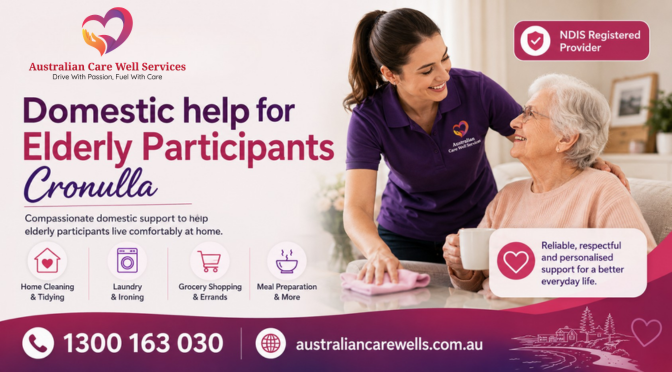
As our loved ones age, everyday tasks can become challenging and overwhelming for them. Many families seek professional assistance to ensure their elderly relatives maintain comfort and independence at home. Understanding what domestic support services offer helps families make informed decisions about care options. This guide explores the comprehensive range of tasks that providers of domestic help for elderly participants in Merrylands deliver.
Personal Care and Hygiene Support
Personal hygiene assistance forms a crucial part of elderly care services. Trained caregivers help with various daily routines.
Key personal care tasks include:
- Assistance with bathing and showering safely
- Help with dressing and grooming activities
- Support with mobility around the home
- Medication reminders at appropriate times
These services ensure elderly participants maintain dignity while receiving necessary help. Caregivers respect privacy and promote independence wherever possible.
Household Cleaning and Maintenance
Keeping a clean home becomes difficult for elderly individuals with limited mobility. Professional domestic help for elderly participants in Cronulla addresses these challenges effectively.
Cleaning services typically cover:
- Vacuuming and mopping all floor surfaces
- Dusting furniture and hard-to-reach areas
- Bathroom and kitchen deep cleaning
- Changing bed linens and laundry tasks
- Waste removal and recycling management
Regular household maintenance support prevents accidents and creates healthier living environments for elderly participants.
Meal Preparation and Nutrition
Proper nutrition is vital for elderly health and well-being. Caregivers assist with various meal-related activities.
Food preparation services include:
- Planning nutritious and balanced meals
- Grocery shopping according to dietary needs
- Cooking fresh meals daily
- Assistance with eating when required
- Kitchen cleanup after meals
Domestic help for elderly participants in Campbelltown ensures meals meet specific dietary restrictions and cultural preferences.
Companionship and Social Engagement
Isolation affects many elderly individuals living alone. Companion care services address emotional and social needs effectively.
Caregivers engage in meaningful conversations and activities. They accompany participants on walks or outings. Reading, playing games, and hobbies also form part of companionship services.
Transportation and Errand Assistance
Getting around independently becomes challenging with age. Professional caregivers provide essential transportation support.
Travel assistance includes:
- Medical appointment accompaniment
- Pharmacy visits for prescriptions
- Shopping trips for essentials
- Social event transportation
- Banking and post office errands
Domestic help for elderly participants in Merrylands ensures participants remain connected to their communities safely.
Safety Monitoring and Emergency Response
Preventing accidents and responding to emergencies protects elderly participants. Caregivers maintain vigilant safety supervision.
They identify potential hazards around homes. Fall prevention measures are implemented consistently. Emergency contacts remain accessible always.
Conclusion
Professional domestic help transforms lives by supporting elderly participants with essential daily tasks. These services promote independence, safety, and quality of life for your loved ones.
Australian Care Well Services PTY LTD provides compassionate, reliable support tailored to individual needs. Contact us today at 1300 16 30 30 or email info@australiancarewells.com.au to discuss how we can help. Visit https://australiancarewells.com.au/ to learn more about our comprehensive care solutions.
Frequently Asked Questions
- What qualifications do domestic helpers for elderly participants possess?
Most caregivers hold certificates in aged care or disability support. They undergo background checks and receive ongoing training. Experience in elderly care ensures quality service delivery.
- How often can domestic help services be scheduled?
Services range from a few hours weekly to full-time daily support. Schedules are flexible and tailored to individual participant needs. Care plans can adjust as requirements change.
- Are domestic help services covered by government funding?
Many participants access funding through NDIS, aged care packages, or DVA programs. Eligibility depends on assessment outcomes and individual circumstances. Providers assist with funding applications and documentation.
- Can family members request specific tasks for caregivers?
Yes, care plans are customised according to participant and family preferences. Regular reviews ensure services continue meeting evolving needs. Communication between families and providers is encouraged.
- What happens if an elderly participant refuses help?
Respectful engagement techniques help build trust and acceptance over time. Caregivers work gradually to establish comfortable relationships. Families and providers collaborate to address concerns sensitively.
- How do providers ensure safety during domestic tasks?
Caregivers follow strict safety protocols and use appropriate equipment. Risk assessments identify potential hazards before commencing work. Regular supervision and training maintain high safety standards.
- Can domestic helpers assist with pet care?
Many providers include basic pet care assistance like feeding and walking. This support helps elderly participants maintain beloved animal companions. Specific pet-related tasks should be discussed during care planning.
- What if the regular caregiver is unavailable?
Reputable providers arrange qualified replacement caregivers to maintain service continuity. Participants receive advance notice of any changes when possible. Replacement caregivers receive briefings about individual care needs.
- How is participant privacy protected during domestic help?
Professional caregivers adhere to strict confidentiality agreements and privacy legislation. Personal information remains secure and shared only with authorised parties. Respectful boundaries are maintained throughout all interactions.
- Can domestic help hours increase during recovery from illness?
Care plans can be adjusted to provide additional short-term support during recovery periods. Temporary increases accommodate medical needs and rehabilitation requirements. Services return to regular schedules once participants regain independence.
