


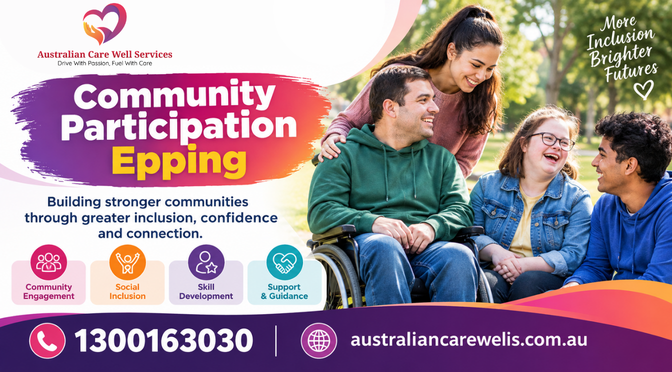
Social inclusion means having genuine access to community life — not just being present, but belonging. For people with disability, community participation in Epping programs turns this idea into everyday reality through shared activities, local connections and consistent support.
What Is Social Inclusion for People with Disabilities?
Social inclusion is the ability to take part fully in community, social and economic life without barriers. It covers everything from joining a local sports club to accessing disability inclusion programs that build confidence and connection.
Why Does Community Participation Matter?
Community participation gives people with disability a sense of purpose, routine and belonging. The benefits of community participation include:
- Reduced social isolation and loneliness
- Stronger self-esteem and confidence
- Improved communication and social skills
- Greater access to local networks and friendships
- Better physical and mental wellbeing
How Does Disability Support Epping Help Locals?
Disability support in Epping connects participants with local activities, transport and trained support workers so community access becomes achievable, not overwhelming. Support is tailored around individual goals, interests and comfort levels, making inclusion practical rather than theoretical.
What Social Activities Suit NDIS Participants?
Social activities for NDIS participants are chosen based on personal interests and funded supports. Common options include:
| Activity Type | Example |
| Recreational | Swimming, gym, art classes |
| Social groups | Café catch-ups, community clubs |
| Skill-building | Cooking classes, volunteering |
| Cultural | Local festivals, library events |
These NDIS community access activities are designed to be flexible, enjoyable and progress-focused.
How Does Community Access Build Independence?
Building independence through community access happens gradually — through repeated exposure to real-world settings, decision-making practice and skill development. Over time, participants rely less on support and more on their own confidence to navigate public spaces, transport and social situations.
What Are Some Community Participation Goals Examples?
Community participation goals examples typically found in an NDIS plan include:
- Attending a weekly social group independently
- Using public transport to reach a chosen activity
- Joining a local class or club within six months
- Building one new social connection per month
- Increasing time spent outside the home each week
These achievable NDIS goals give participants a clear, measurable pathway toward inclusion.
What Role Do Local Support Services Play?
Local support services bridge the gap between funded supports and everyday community life. Support workers assist with transport, communication and social confidence, while also connecting participants to disability-friendly community programs already active in their local area.
How Is Progress Measured in Community Participation?
Progress is tracked through participation frequency, skill growth and personal feedback. Support coordinators regularly review goals to ensure activities remain relevant, enjoyable and aligned with each participant’s evolving social inclusion strategies.
Ready to Build Real Connection?
If you’re ready to explore community participation in Epping options tailored to your goals, reach out to a local disability support provider like Australian Care Well Services PTY LTD and take the first step toward genuine social inclusion. Call 1300163030 to book your consultation.
Frequently Asked Questions
- What does social inclusion mean for NDIS participants?
It means having equal access to community, social and recreational opportunities. - How can community participation improve mental health?
Regular social engagement reduces isolation and boosts overall wellbeing. - Who can access disability support services in Epping?
Anyone with an NDIS plan that includes community access or social support funding. - Can support workers help with transport to activities?
Yes, transport assistance is commonly included in community participation supports. - How often should community participation goals be reviewed?
Typically every 3 to 6 months, or whenever a participant’s needs change.
